
Now EFINEA
Supplier of Special Purpose Metals & Alloys From Stock
Our Professional Team is Ready To Take Your Call 

Ed Fagan is an ISO 9001:2015 & AS9100D Certified Company
The team at Ed Fagan is proud we operate a Quality Management System that complies and meets the requirements of ISO 9001:2015 and AS9100D for precision cutting, deburring and distribution of specialty metals and alloys.

TRUSTED SOURCE FOR SPECIALTY METALS & ALLOYS
When searching for specialty metals and alloys, depend on Ed Fagan, as your trusted source for your high-quality materials. Our essential materials, industry knowledge and experience service the supply chain needs of a spectrum of global individuals, researchers, universities, and manufacturers for a span of over fifty years. While so much has changed over these years, our core values have not — quality materials, our integrity, our dedication to our customers and our commitment to customer satisfaction.
The Materials You Need, When You Need Them
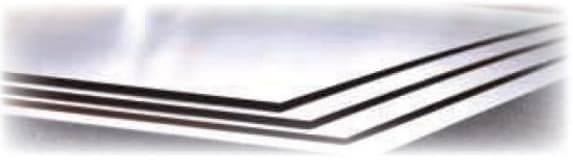
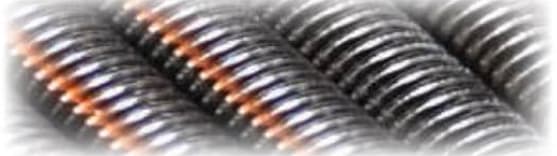
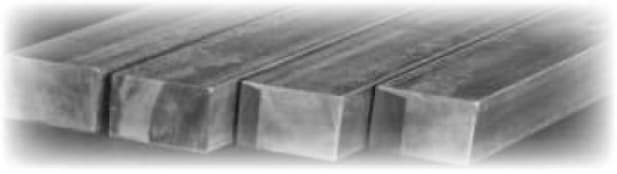
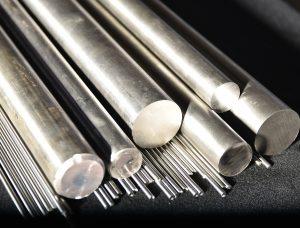
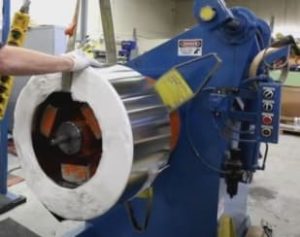
Ed Fagan, stocks mill-certified Controlled Expansion Alloys, Electronic Grade Nickels, Refractory Metals & Alloys, Soft Magnetic Alloys in a wide variety of diameters, gauges, lengths, tempers, in these forms:
• Plate • Rod • Round Bar • Sheet • Strip/Coil • Wire
Customize Your Order
Our in-house capabilities include customization with our state-of-the-art equipment to cut, shear or waterjet your order to meet your specifications. If your order is a stock item, we can ship the material within 24 hours of your order confirmation or the date you request.
JUST-IN-TIME DELIVERY
All of our standard stock materials can be shipped within 24-hours of your order confirmation. All of our metals and alloys are shipped with mill certifications.
COMPLIANCE, ISO & POLICY QUICK LINKS
Anti-Human Trafficking and Slavery
California Proposition 65
Conflict-Free Minerals
Corona Virus
REACH Policy
RoHS
Two ISO Certified Locations
Ed Fagan, is proud that our locations in Franklin Lakes, NJ and Los Alamitos, CA operate a Quality Management System that meets the requirements of ISO 9001:2015 and AS9100D for precision cutting, deburring and distribution of specialty metals and alloys. Both locations are temperature-controlled warehouses specifically designed to ensure protection of any type of environmental damage to our inventory.
Ed Fagan, is dedicated to supporting and meeting industry and regulatory quality standards and policies. You will find posted on our home page a list of those policies and within the About Us section of our website.

ED FAGAN, EXPERT EDUCATION FORUM – vacuum furnaces and all-metal molybdenum hot zones
Authoring our third series of informative subjects to the Ed Fagan. Expert Education Forum is our very own refractory metals and alloys expert, Michael Ferullo. Mike reviews Vacuum Furnaces and All-Metal Molybdenum Hot Zones. Understand the key features and uses of vacuum furnaces and how Molybdenum doped alloys can provide better operating performance and efficiencies.

Contact Us
Whether you contact us by phone or by completing one of our forms, Contact Us or Request a Quote, we know our reputation is based on your overall satisfaction. It does not matter if you are a Fortune 500 company, a one person machine shop or an engineering student, at Ed Fagan, you will receive exceptional customer service and technical expertise, high-quality mill-certified materials that are competitively priced, your order cut to your exact specification and delivered on-time.